
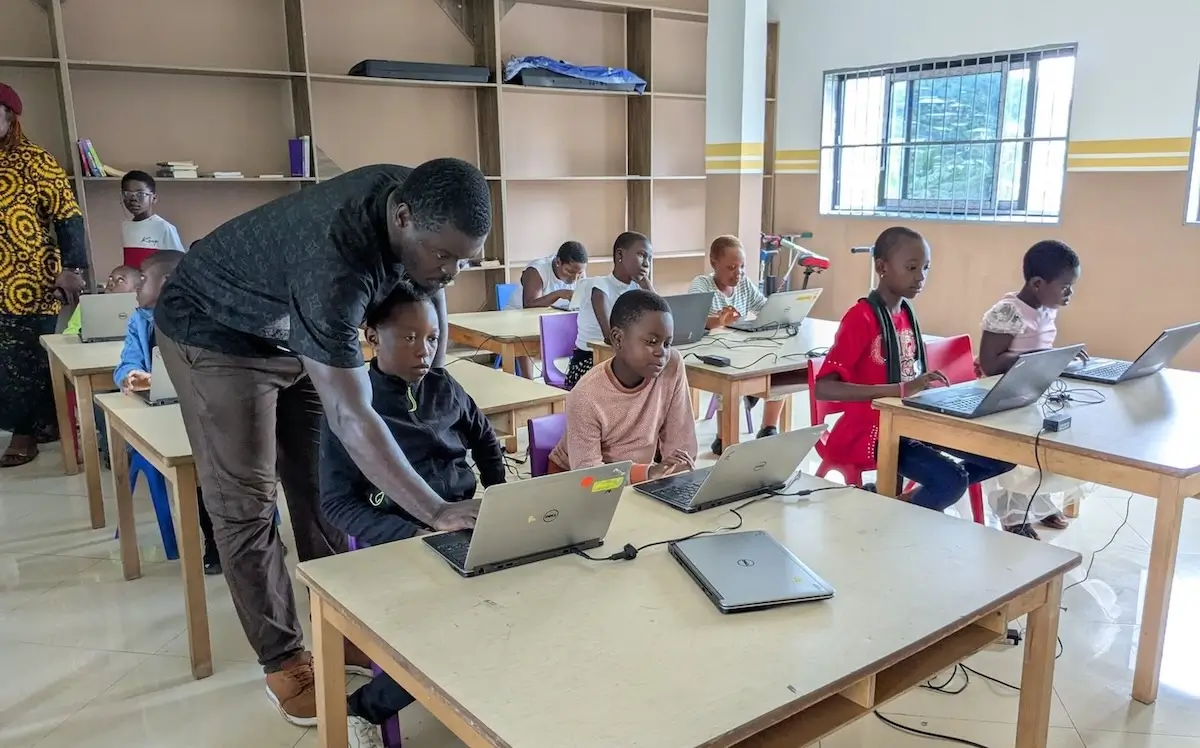
The internal rules and regulations for HAPPY HEARTS Pupils
1. Attendance
- Regular Attendance: Pupils are expected to attend classes regularly, with a minimum attendance percentage (e.g., 90%).
- Punctuality: Pupils should arrive on time for classes, assemblies, and other scheduled activities.Classes begin each day at 7:30am to 3pm
- Absence Procedures:
- Parents/guardians should notify the school in advance or on the day of absence.
- Pupils should provide documentation (e.g., doctor’s note) for extended absences.
- Consequences for Poor Attendance:
- Warnings
- Parent/guardian meetings
- Academic penalties (e.g., reduced grades)
- Detention or suspension
2. Dress Code
- School Uniform: Pupils are required to wear the specified school uniform, which may include:
- Specific colors or patterns
- Logos or emblems
- Dress code for specific events (e.g., formal events).
- Personal Appearance:
- Hair should be clean and well-groomed.
- Jewelry and accessories not be allowed on campus
- Makeup and nail polish shall be prohibited.
- Consequences for Dress Code Violations:
- Warnings
- Change into compliant attire
- Detention or other disciplinary actions including return home.
3. Academic Integrity
- Plagiarism: Pupils should properly cite sources and avoid plagiarism.
- Cheating: Pupils should not engage in cheating or unauthorized collaboration.
- Consequences for Academic Dishonesty:
- Failure on the assignment or exam
- Detention or suspension
- Parent/guardian notification
- Academic penalties (e.g., reduced grades)
- Support for Academic Integrity:
- Resources for proper citation and research
- Guidance on avoiding plagiarism and cheating
4. Respect and Behavior
- Respect for Others: Pupils should treat peers, teachers, and staff with respect and kindness.
- Bullying and Harassment: Pupils should not engage in bullying, harassment, or discriminatory behavior.
- Classroom Behavior: Pupils should:
- Follow classroom rules and expectations
- Participate actively and respectfully
- Avoid disruptions and distractions
- Consequences for Misconduct:
- Warnings
- Detention or suspension
- Parent/guardian meetings
- Counseling or support services
5. Use of Technology
- Acceptable Use: Pupils should use school technology for educational purposes only.
- Prohibited Activities:
- Cyberbullying
- Accessing inappropriate content
- Unauthorized social media use
- Tampering with school devices or networks
- Consequences for Misuse:
- Loss of technology privileges
- Detention or suspension
- Parent/guardian notification
- Counseling or support services
- repair or replacement of misused or damaged property
- Digital Citizenship:
- Pupils should practice safe and responsible online behavior.
- Pupils should protect their personal data and privacy.
6. Safety and Security
- Emergency Procedures: Pupils should follow emergency evacuation procedures and protocols.
- Reporting Incidents: Pupils should report safety concerns, incidents, or accidents to school staff.
- Prohibited Items: Pupils should not bring prohibited items (e.g., weapons, substances), phones etcc to school.
- Consequences for Safety Violations:
- Detention or suspension
- Parent/guardian notification
- Counseling or support services
- Disciplinary actions (e.g., expulsion)
7. Homework and Assignments
- Expectations: Pupils should complete and submit homework and assignments on time.
- Late Submissions: Pupils should communicate with teachers about challenges or extensions.
- Consequences for Late Submissions:
- Reduced grades
- Penalties or deductions
- Parent/guardian notification
- Support for Assignments:
- Resources for completing assignments
- Guidance on time management and organization
8. Communication
- Parent-Teacher Communication: Parents/guardians and teachers should communicate regularly about pupil progress.
- Pupil Communication: Pupils should communicate respectfully and effectively with teachers and peers.
- School Communication: The school will provide regular updates on policies, events, and activities through:
- Parent-teacher conferences
- Email or online portals
- Communication book
- School website or social media
9. Disciplinary Actions
- Types of Disciplinary Actions:
- Detention
- Suspension
- Expulsion
- legal action
- Procedures for Disciplinary Actions:
- Investigation and evidence collection
- Notification of parents/guardians
- Opportunity for appeal or review
- Support for Pupils:
- Counseling or support services
Here’s a more detailed version of the Grievance Procedure
- Counseling or support services
10: Grievance Procedure*
The school is committed to providing a safe and supportive environment where students feel comfortable reporting concerns or grievances. This procedure outlines the steps for students to report and resolve issues.
Types of Grievances
- Academic concerns (e.g., grading, coursework)
- Bullying or harassment
- Safety concerns
- Disciplinary actions
- Other issues affecting student well-being or education
Reporting Grievances
- Informal Resolution: Students are encouraged to resolve issues directly with the teacher or staff member involved, if possible.
- Formal Complaint: If informal resolution is not possible or effective, students can submit a formal complaint to:
- Teacher or department head
- School counselor
- Administrator (e.g., principal, vice principal)
Investigation and Resolution
- Acknowledgment: The recipient of the complaint will acknowledge receipt and provide a timeline for investigation.
- Investigation: A thorough investigation will be conducted, gathering relevant information and evidence.
- Resolution: The outcome will be communicated to the student, including:
- Actions taken to address the grievance
- Rationale for the decision
- Opportunities for appeal (if applicable)
Appeal Process
- Appeal: Students can appeal the decision to a higher authority (e.g., school administrator, governing board).
- Review: The appeal will be reviewed, considering new evidence or procedural errors.
- Final Decision: The appeal decision will be final and binding.
Confidentiality and Protection
- Grievances will be handled confidentially, respecting student privacy.
- Students are protected from retaliation for reporting grievances in good faith.
Support
- Students can seek support from:
- School counselors
- Teachers or mentors
- Parents/guardians
This procedure aims to ensure that student concerns are heard, investigated, and resolved fairly and promptly.
The internal rules and regulations for HAPPY HEARTS Pupils
1. Attendance
- Regular Attendance: Pupils are expected to attend classes regularly, with a minimum attendance percentage (e.g., 90%).
- Punctuality: Pupils should arrive on time for classes, assemblies, and other scheduled activities.Classes begin each day at 7:30am to 3pm
- Absence Procedures:
- Parents/guardians should notify the school in advance or on the day of absence.
- Pupils should provide documentation (e.g., doctor’s note) for extended absences.
- Consequences for Poor Attendance:
- Warnings
- Parent/guardian meetings
- Academic penalties (e.g., reduced grades)
- Detention or suspension
2. Dress Code
- School Uniform: Pupils are required to wear the specified school uniform, which may include:
- Specific colors or patterns
- Logos or emblems
- Dress code for specific events (e.g., formal events).
- Personal Appearance:
- Hair should be clean and well-groomed.
- Jewelry and accessories not be allowed on campus
- Makeup and nail polish shall be prohibited.
- Consequences for Dress Code Violations:
- Warnings
- Change into compliant attire
- Detention or other disciplinary actions including return home.
3. Academic Integrity
- Plagiarism: Pupils should properly cite sources and avoid plagiarism.
- Cheating: Pupils should not engage in cheating or unauthorized collaboration.
- Consequences for Academic Dishonesty:
- Failure on the assignment or exam
- Detention or suspension
- Parent/guardian notification
- Academic penalties (e.g., reduced grades)
- Support for Academic Integrity:
- Resources for proper citation and research
- Guidance on avoiding plagiarism and cheating
4. Respect and Behavior
- Respect for Others: Pupils should treat peers, teachers, and staff with respect and kindness.
- Bullying and Harassment: Pupils should not engage in bullying, harassment, or discriminatory behavior.
- Classroom Behavior: Pupils should:
- Follow classroom rules and expectations
- Participate actively and respectfully
- Avoid disruptions and distractions
- Consequences for Misconduct:
- Warnings
- Detention or suspension
- Parent/guardian meetings
- Counseling or support services
5. Use of Technology
- Acceptable Use: Pupils should use school technology for educational purposes only.
- Prohibited Activities:
- Cyberbullying
- Accessing inappropriate content
- Unauthorized social media use
- Tampering with school devices or networks
- Consequences for Misuse:
- Loss of technology privileges
- Detention or suspension
- Parent/guardian notification
- Counseling or support services
- repair or replacement of misused or damaged property
- Digital Citizenship:
- Pupils should practice safe and responsible online behavior.
- Pupils should protect their personal data and privacy.
6. Safety and Security
- Emergency Procedures: Pupils should follow emergency evacuation procedures and protocols.
- Reporting Incidents: Pupils should report safety concerns, incidents, or accidents to school staff.
- Prohibited Items: Pupils should not bring prohibited items (e.g., weapons, substances), phones etcc to school.
- Consequences for Safety Violations:
- Detention or suspension
- Parent/guardian notification
- Counseling or support services
- Disciplinary actions (e.g., expulsion)
7. Homework and Assignments
- Expectations: Pupils should complete and submit homework and assignments on time.
- Late Submissions: Pupils should communicate with teachers about challenges or extensions.
- Consequences for Late Submissions:
- Reduced grades
- Penalties or deductions
- Parent/guardian notification
- Support for Assignments:
- Resources for completing assignments
- Guidance on time management and organization
8. Communication
- Parent-Teacher Communication: Parents/guardians and teachers should communicate regularly about pupil progress.
- Pupil Communication: Pupils should communicate respectfully and effectively with teachers and peers.
- School Communication: The school will provide regular updates on policies, events, and activities through:
- Parent-teacher conferences
- Email or online portals
- Communication book
- School website or social media
9. Disciplinary Actions
- Types of Disciplinary Actions:
- Detention
- Suspension
- Expulsion
- legal action
- Procedures for Disciplinary Actions:
- Investigation and evidence collection
- Notification of parents/guardians
- Opportunity for appeal or review
- Support for Pupils:
- Counseling or support services
Here’s a more detailed version of the Grievance Procedure
- Counseling or support services
(No. 10): Grievance Procedure*
The school is committed to providing a safe and supportive environment where students feel comfortable reporting concerns or grievances. This procedure outlines the steps for students to report and resolve issues.
Types of Grievances
- Academic concerns (e.g., grading, coursework)
- Bullying or harassment
- Safety concerns
- Disciplinary actions
- Other issues affecting student well-being or education
Reporting Grievances
- Informal Resolution: Students are encouraged to resolve issues directly with the teacher or staff member involved, if possible.
- Formal Complaint: If informal resolution is not possible or effective, students can submit a formal complaint to:
- Teacher or department head
- School counselor
- Administrator (e.g., principal, vice principal)
Investigation and Resolution
- Acknowledgment: The recipient of the complaint will acknowledge receipt and provide a timeline for investigation.
- Investigation: A thorough investigation will be conducted, gathering relevant information and evidence.
- Resolution: The outcome will be communicated to the student, including:
- Actions taken to address the grievance
- Rationale for the decision
- Opportunities for appeal (if applicable)
Appeal Process
- Appeal: Students can appeal the decision to a higher authority (e.g., school administrator, governing board).
- Review: The appeal will be reviewed, considering new evidence or procedural errors.
- Final Decision: The appeal decision will be final and binding.
Confidentiality and Protection
- Grievances will be handled confidentially, respecting student privacy.
- Students are protected from retaliation for reporting grievances in good faith.
Support
- Students can seek support from:
- School counselors
- Teachers or mentors
- Parents/guardians
This procedure aims to ensure that student concerns are heard, investigated, and resolved fairly and promptly.